
What's Happening in the Seventh Grade?
English Language Arts

Unit Two

Highs and Lows

EQ: What do you learn from love and loss?

We will be reading: 

Annabel Lee (poem)

My Mother Pieced Quilts (poem)

Museum Indians (autobiography)

The Walking Dance (realistic fiction)

No Dream Too High: Simone Biles (biography)

Flesh and Blood So Cheap (nonfiction)

We will be writing: 

Students will write an argumentative/opinion essay on a couple of characters from this unit's texts and argue what lesson those characters learned about love and/or loss within the story.

Academic Vocabulary Words for the Term:

Link to all term 2 vocabulary words

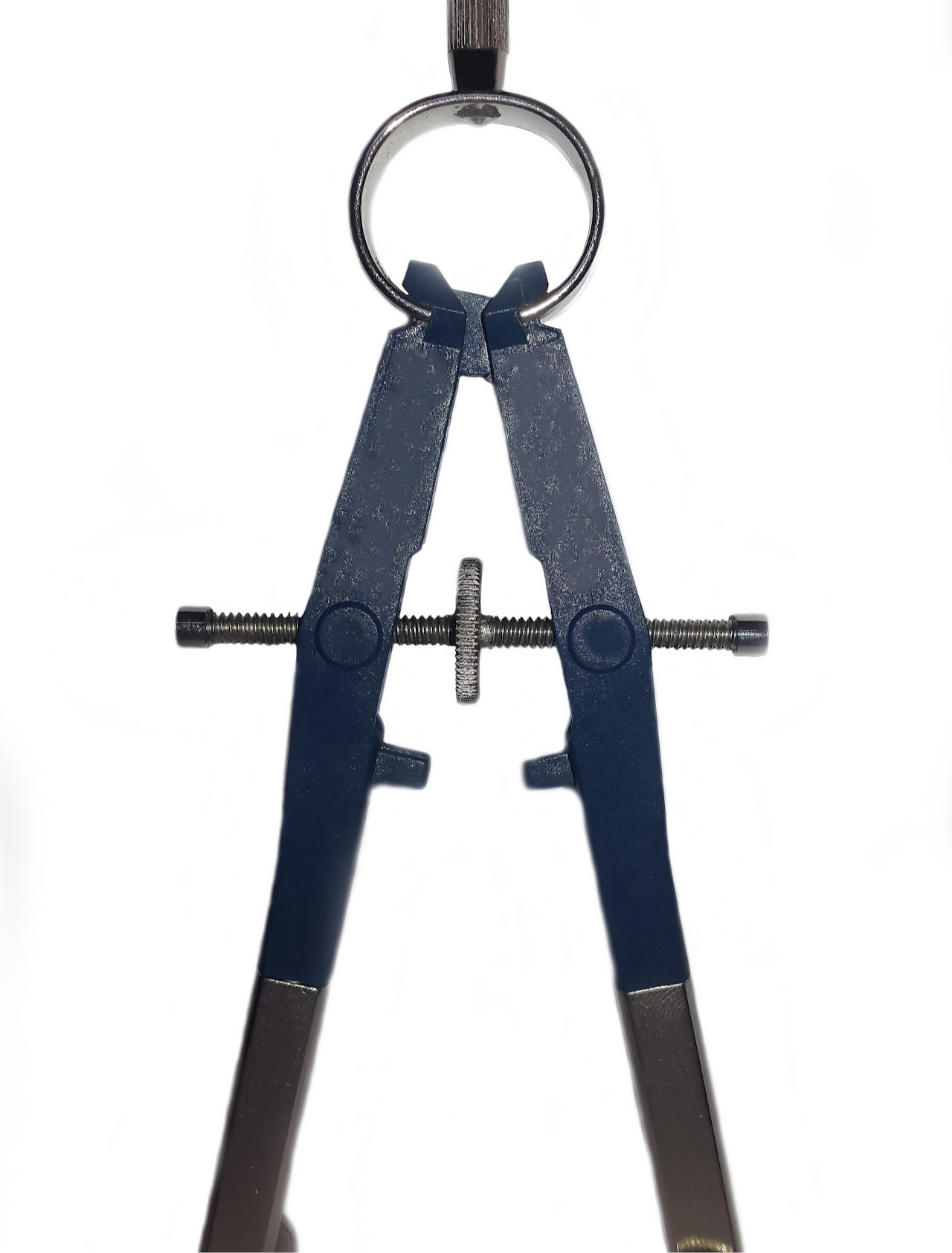
Math

Mr. Bork's Room

Technology Balanced Classroom - Letter to parents explaining the how technology is used and viewed in our math classroom.

February

Unit 6: Expressions, Equations, Inequalities

In Unit 6, students learn how to use equations and inequalities to represent and solve real-world problems. Students work with expressions that include positive and negative numbers, and they apply properties of operations to simplify and rewrite expressions.

Throughout the unit, students practice solving one-step and multi-step equations, explaining what each step means and why it works. They learn how to check their solutions and interpret what a solution represents in the context of a problem. Students also explore inequalities, learning how to write them, graph solutions on a number line, and understand situations where there may be more than one correct answer.

By the end of the unit, students should be able to model real situations using equations or inequalities, solve them accurately, and explain their reasoning clearly, building a strong foundation for algebra in future grades.

Basic Facts

In 7th grade, multiplication facts are the "hidden engine" behind almost every new concept, from solving multi-step equations to calculating ratios and proportions. If you're still pausing to calculate 7 x 8 , you lose the mental momentum needed to tackle complex, higher-level logic. Mastering these basics ensures that math feels like a puzzle you’re solving rather than a chore you're stuck on.

Why It Matters Right Now

  • Algebraic Speed: Factoring expressions and simplifying fractions become nearly impossible (and very frustrating) without instant recall.

  • Confidence Boost: When you aren't bogged down by basic arithmetic, you have the "brain space" to understand the why behind the math.

  • Standardized Testing: Most middle-school assessments are timed; knowing your facts saves precious minutes for the harder problems.

  • Resources available in the beyond the classroom section.

Reminders:

  • Feb. 10th - 7th Grade to WSU

  • Feb. 20th - Winter Fun Day

  • Feb. 23rd - 7th Grade to TRANE Corp.

  • Feb. 24th - Basic Facts Math Assessment

  • Feb. 25th - Unit 6 Assessment

Additional Reminders:

Continue Practicing Basic Facts - (Multiplication 0 thru 12)

Working on operations with fractions

Geography

Welcome to 7th Grade World Geography! 

As we near the halfway point of the third quarter, I continue to be very impressed by this wonderful group of young people I get to serve each day! Their collective efforts and positive attitudes each day make working with them a try joy!

After wrapping up our unit on Economics, we will be doing a short unit on World Religions focusing on Judaism, Christianity, Islam, Hinduism & Buddhism. Students will be introduced to the main ideas of these five religions and will work to gain a perspective of some of the different belief systems of the peoples of the world. After World Religions, we will be moving on to examining different continents, including the physical and human geography of various regions!

Essential Question for our World Religions unit: How do religious beliefs shape people's lives and behaviors?

As always, please reach out via email if you have any questions or concerns.

Outside Activities:

Looking for something to do outside of class?  Students have the Seterra App on their iPads that has a bunch of different interactive map games and activities they can work on too.   You can also watch/read the news with your student and discuss things that are going on in the world.
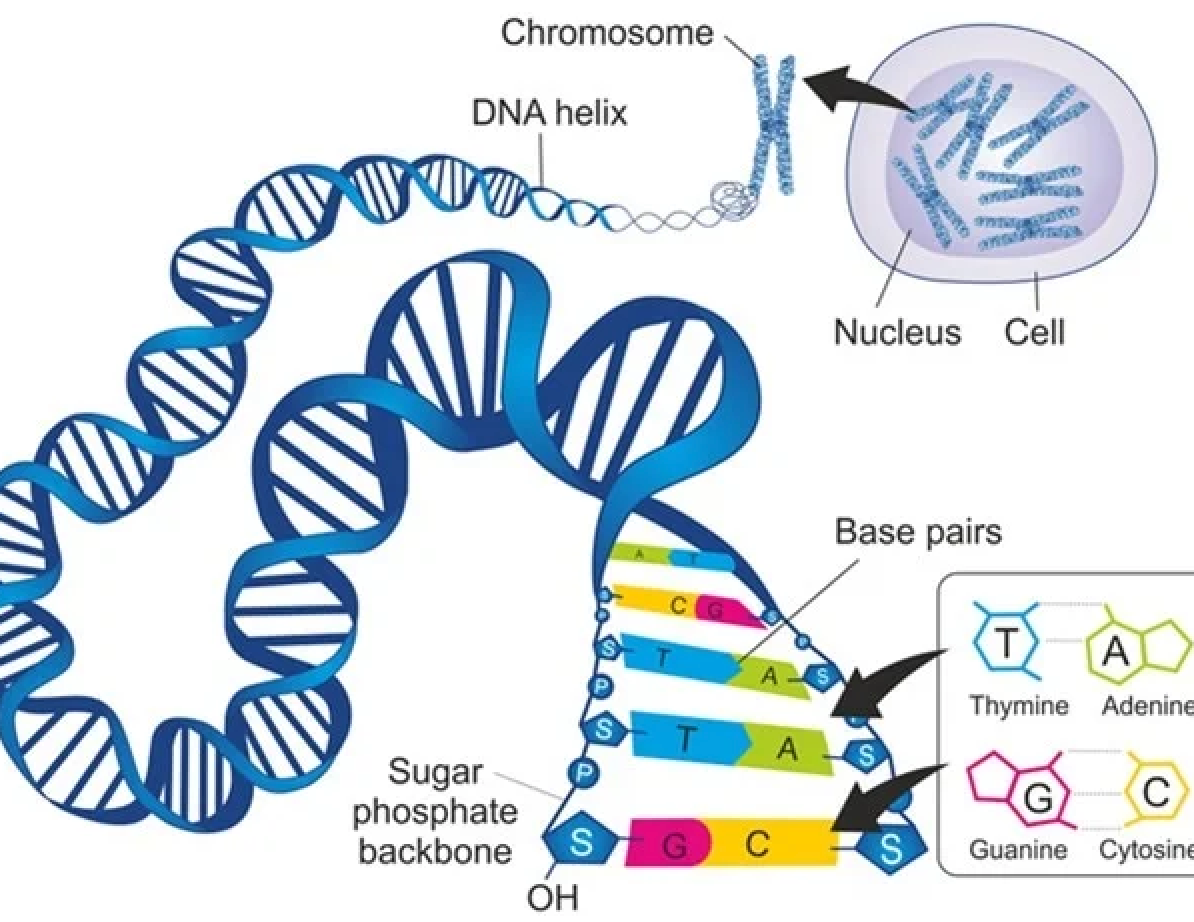
Science

Welcome to 7th Grade Science! I can't wait to start this new chapter in 7th Grade with you all!

Questions to ask your child: 

  • What is life?

  • What do living things need to stay alive, grow, and reproduce?

  • What are all living things made out of?

Meet the 7th Grade Teachers

Mr Bork

Mr. Bork

Mathematics

Mr. Schmuck

Mr. Schmuck

Geography

Ms. Schmidt

Science

Mrs Torud

Mrs. Torud

English Language Arts